A Message from the Director

Dear readers,

With 2021, a very changeable year is now drawing to a close. Due to the fact that we work in two hemispheres with the Sydney and Pfinztal sites, we had to continuously and alternately struggle with the challenges of the COVID 19 pandemic.

The year 2021 began with the emergence of the new delta variant and led to drastic restrictions and lockdowns in Germany, Europe and especially in countries in the northern hemisphere that extended into June. In particular, travel restrictions and workplace measures such as distance rules or home offices led to challenges regarding the implementation of existing projects and the acquisition of new projects. Reciprocal stays have of course been out of the question since the beginning of 2020. The onset of winter in Australia in turn led to tighter measures there from July onwards, including lockdowns until the beginning of November. Currently, UNSW return to campus is limited to essential staff and research students.. Furthermore, students who are overseas are starting to return Australia.

Continue reading “A Message from the Director”
CENELEST Adivsory Board Meeting

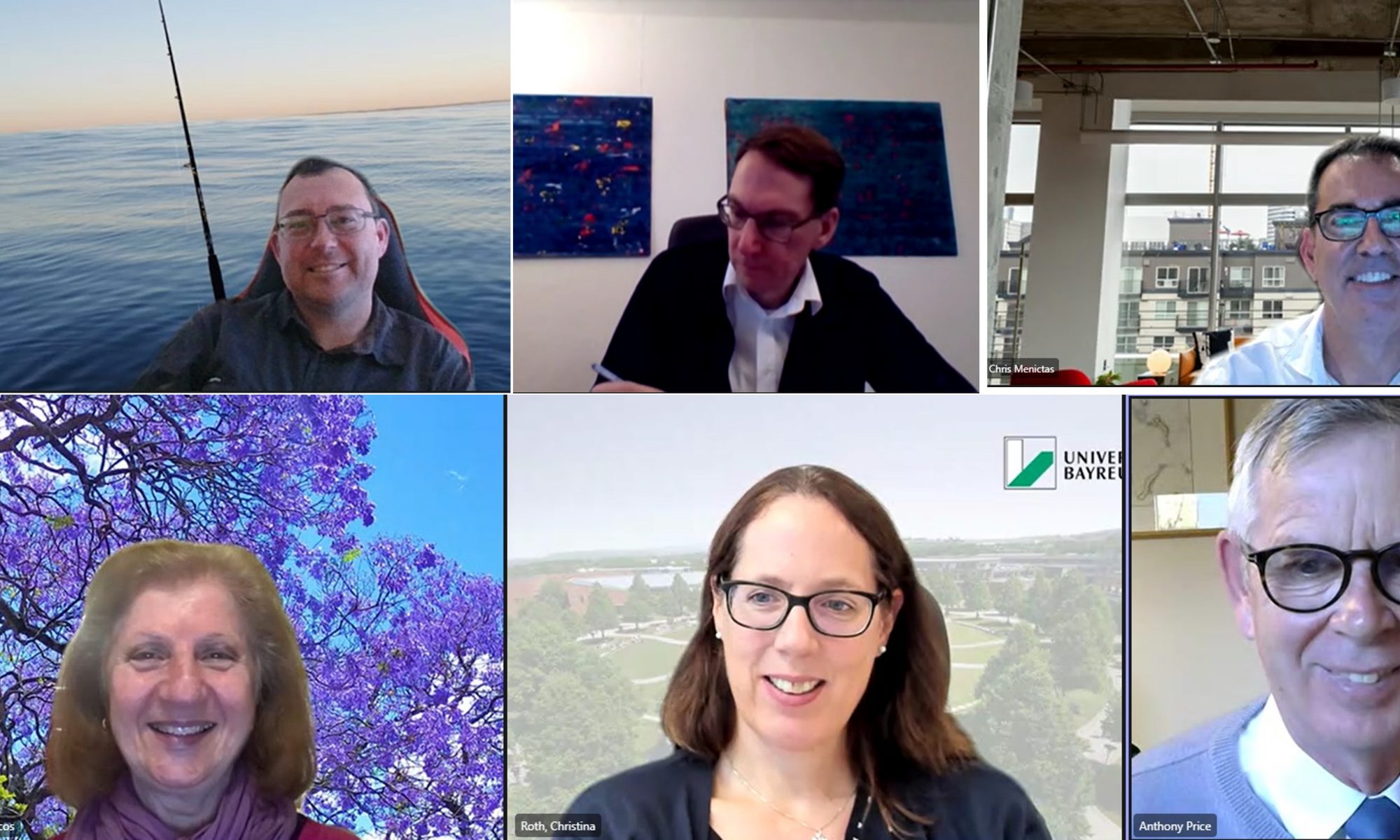
On 02 December 2021, the international Advisory Board met for the first time with the leaders of CENELEST. At this meeting, the participants were mainly informed about the activities of CENELEST in the past years. In addition, there were in-depth discussions about the future strategy of CENELEST’s research and development. CENELEST pursues a strongly application-oriented development and is therefore grateful for all suggestions from industry and other academic fields. For this reason, the Board will now meet every 6 months to discuss the direction of CENELEST.

Work on system modelling and cost analysis started in SONAR

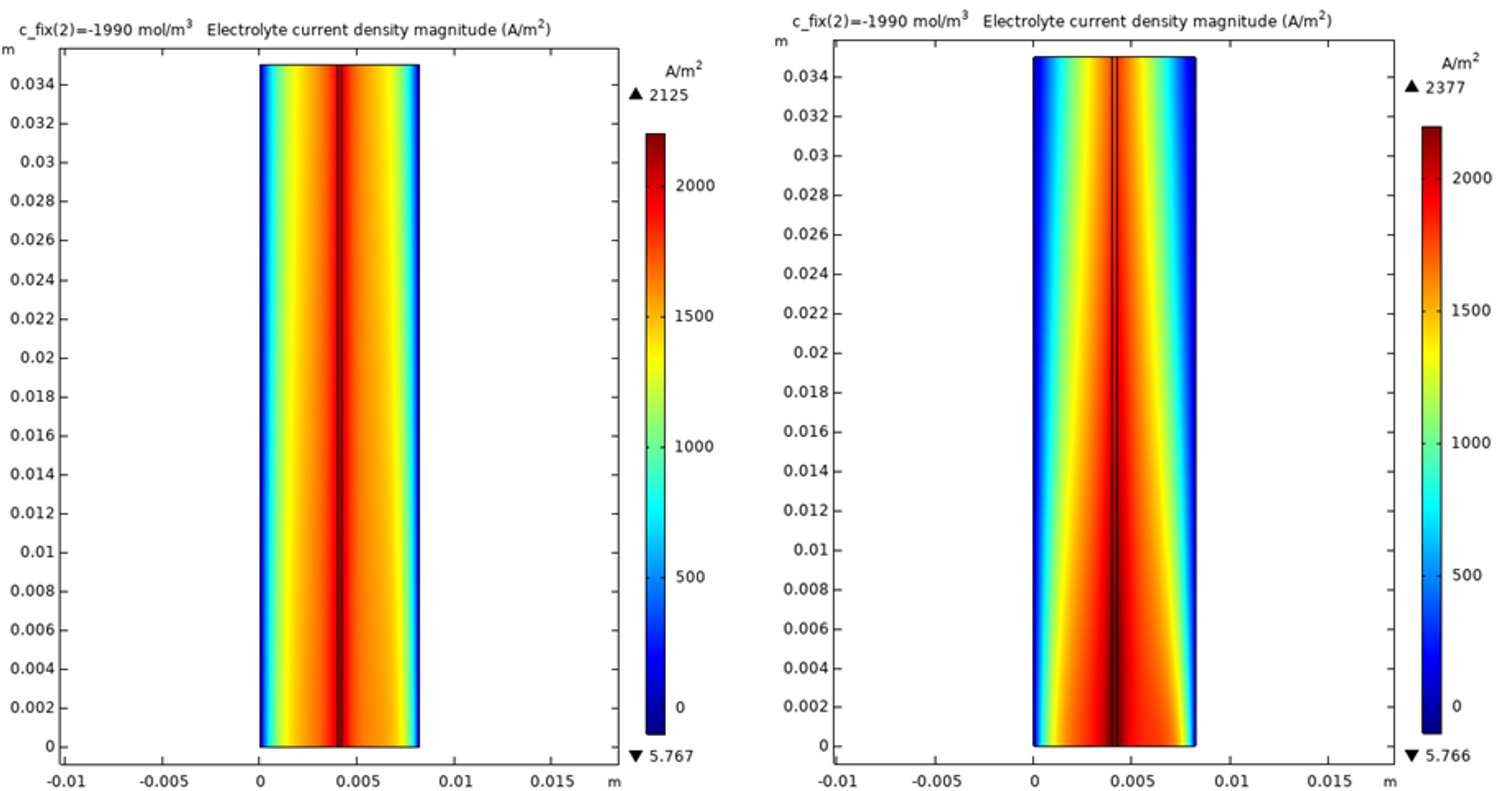
The University of New South Wales and Fraunhofer ICT started their work on stack and system modeling and cost analysis for organic flow batteries, with one new PhD student at each of the two institutions. The system modeling will be carried out using a multiphysics approach, where first the hydraulic, electrochemical and thermal properties of a single cell, then a stack and finally a whole flow battery system are modeled and simulated. The results will lead to a better understanding of systems and thus to cheaper and more reliable systems, and also form the basis for the cost analysis.

In the cost analysis of flow battery systems, Fraunhofer ICT is concerned with linking technical parameters with costs using mathematical functions. The objective is to map a cost structure for the investment costs of flow batteries in order to determine cost proportions and for sensitivity analyses. Based on the calculated costs, batteries can be compared on the basis of investment costs (CAPEX). A much more substantiated comparison is possible based on levelized cost of storage (LCOS), where lifetime costs are calculated in relation to energy throughput. In the future, it will be possible to calculate the LCOS of a large number of new organic flow battery chemistries automatically, in order to be able to develop low-cost candidates for new, safe and environmentally friendly organic flow batteries for the storage of renewable energy.

SONAR is an EU-Australian Project for the development of a high-throughput screening method to find new organic activ materials for flow batteries: sonar-redox.eu